Institutes and Centers at Discovery Park
Managed by Purdue’s Office of Research, the Institutes and Centers at Discovery Park District bring together researchers across disciplines to advance large-scale research that drives innovations to solve the world’s most critical problems.
Background and History
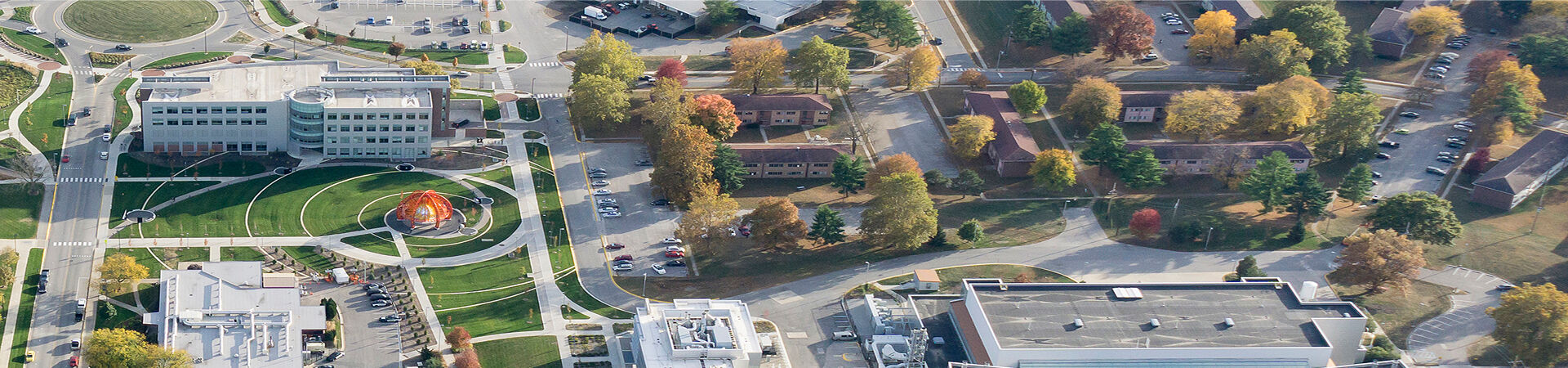
The interdisciplinary Institutes and Centers are primarily located within Discovery Park District, the university’s ever-growing, mixed-use innovation hub. The Institutes and Centers serve as vital resources to our evolving research enterprise. They’re also home to various external partners, including corporate affiliates, who seek to leverage our world-class talent, state-of-the-art technology and novel research techniques.
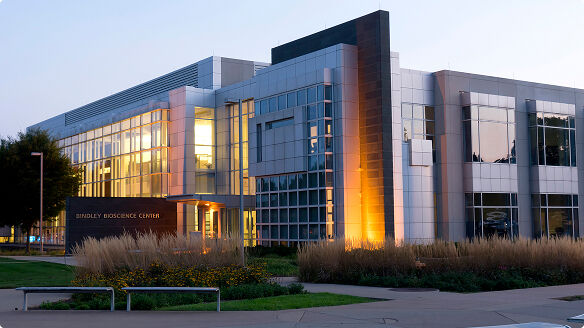
Purdue’s rich history of interdisciplinary Institutes and Centers began in 2001 with a first-of-its-kind interdisciplinary building for nanotechnology research. This led to rapid expansion, with two Lilly Endowment Inc. grants that totaled more than $50 million and other significant support from the state and private sources. In total, the expansion included six more buildings to support major interdisciplinary initiatives and Indiana’s economic development. By 2014, the interdisciplinary institutes, known then as Discovery Park Institutes and Centers, reached the $1 billion milestone in externally sponsored research, private gifts and endowments.
Get to Know Us
Learn more about our leadership and staff at the Institutes and Centers.
Interdisciplinary Research Facilities
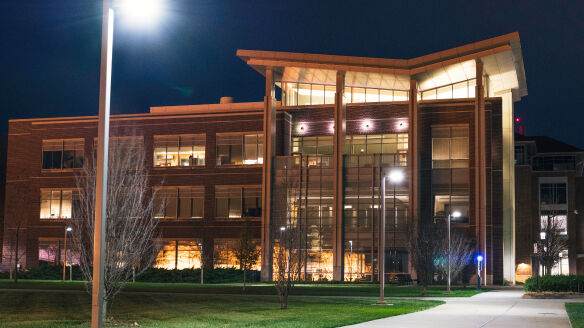
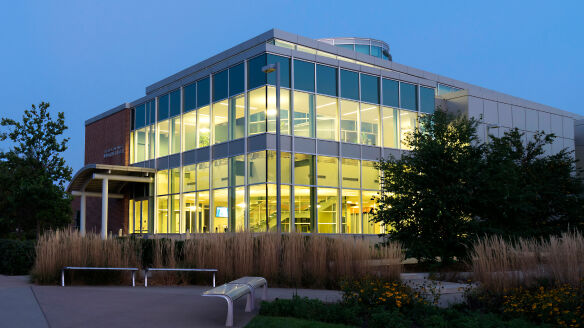
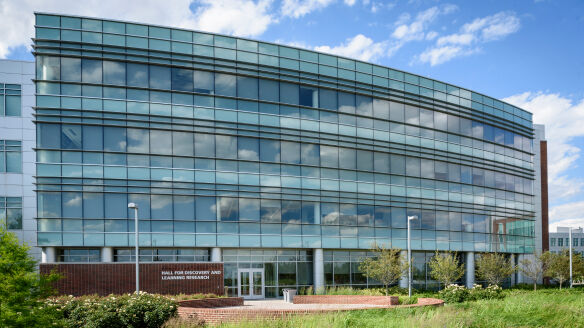
Discovery Park District sits on 40 acres on the southwest edge of campus, near the Purdue University Airport. Purdue’s research facilities attract researchers and students from across campus and beyond, including our West Lafayette and Indianapolis locations, Purdue’s regional campuses, and Purdue Research Park locations throughout Indiana, Indiana University and the Indiana University School of Medicine. We are also working on projects with countries such as Australia, Bangladesh, Colombia, Ethiopia and India.
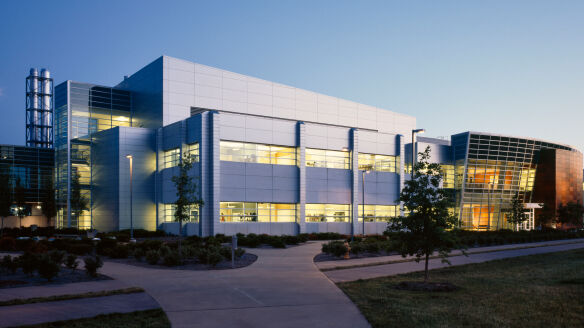
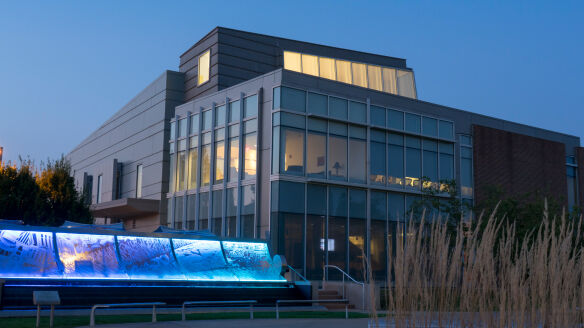
The cutting-edge equipment and shared spaces encourage collaborative projects in life and health sciences, drug discovery and development, information technology, and more.
Measures of Interdisciplinary Research Success
The cross-cutting nature of Purdue University’s research Institutes and Centers makes them inherently interdisciplinary and provides a critical contribution to the excellence of Purdue’s academic enterprise. Measures of interdisciplinary research success at Purdue can be evaluated through metrics that encompass funding, operational effectiveness, teaching and educational impact, research effectiveness, and visibility and impact.
Here are some key measures of interdisciplinary research success:
Contact us
Please email us at EVPRCenters@purdue.edu with questions or comments.